Collaboration with the Chemistry Department of the University of Pavia is strengthened
Collaboration with the Chemistry Department of the University of Pavia is strengthened
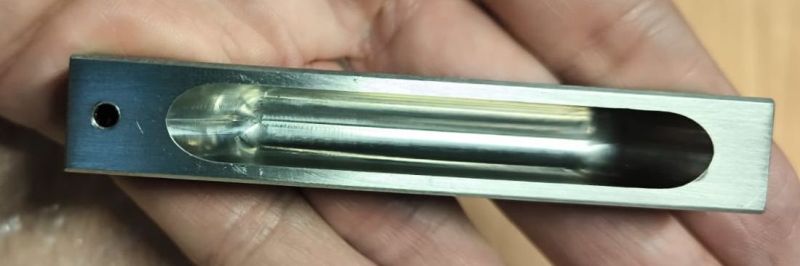
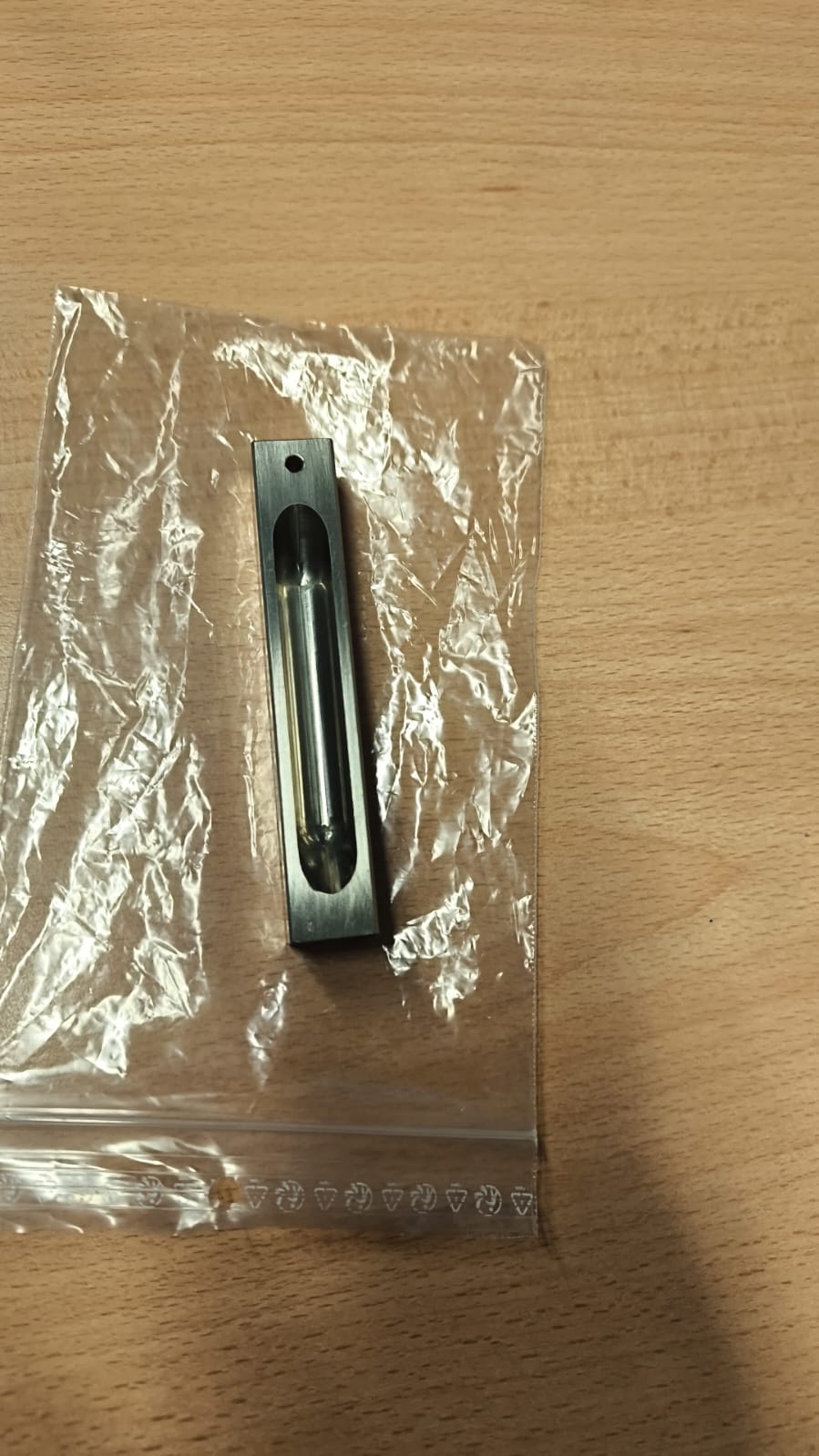
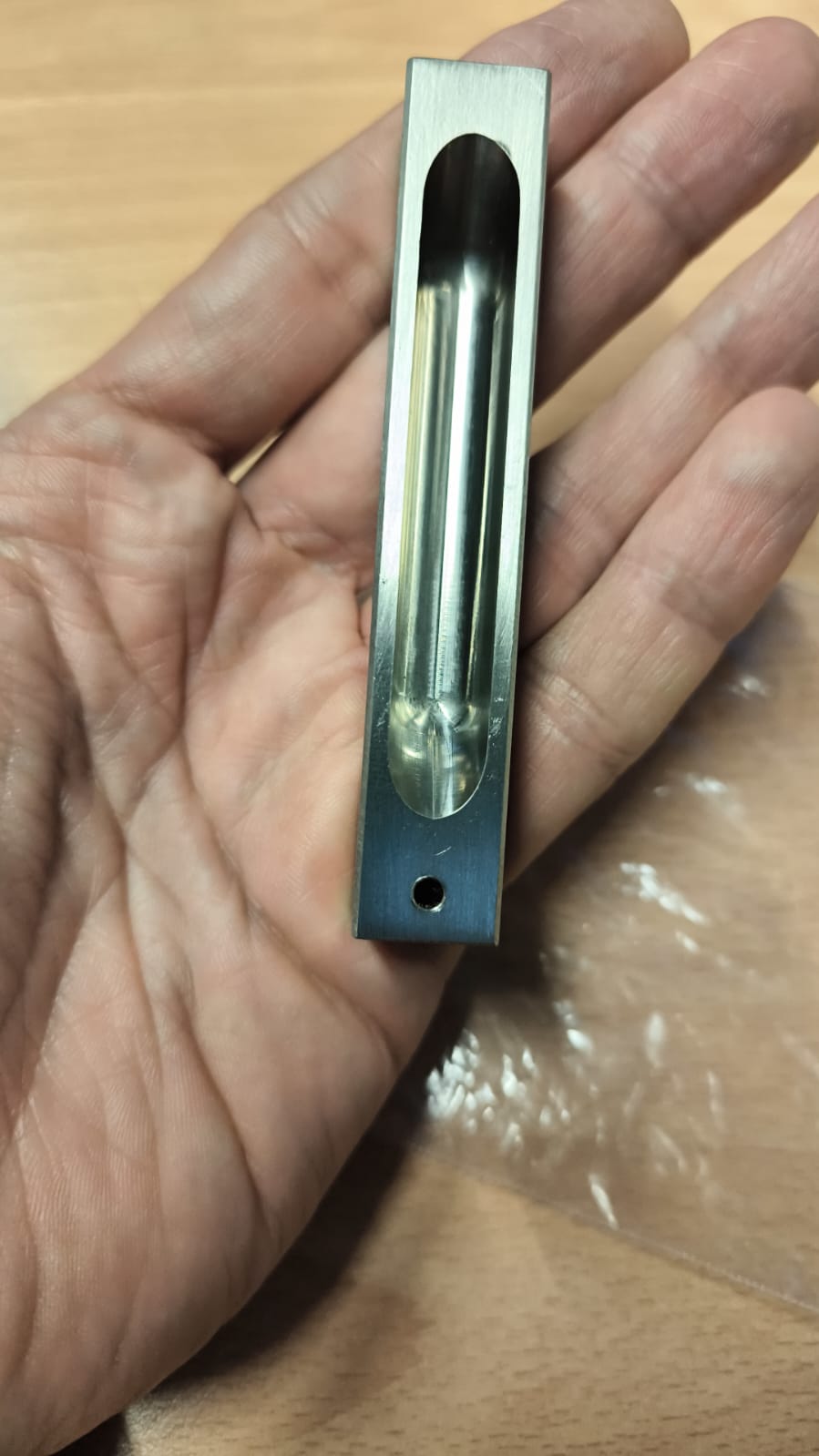
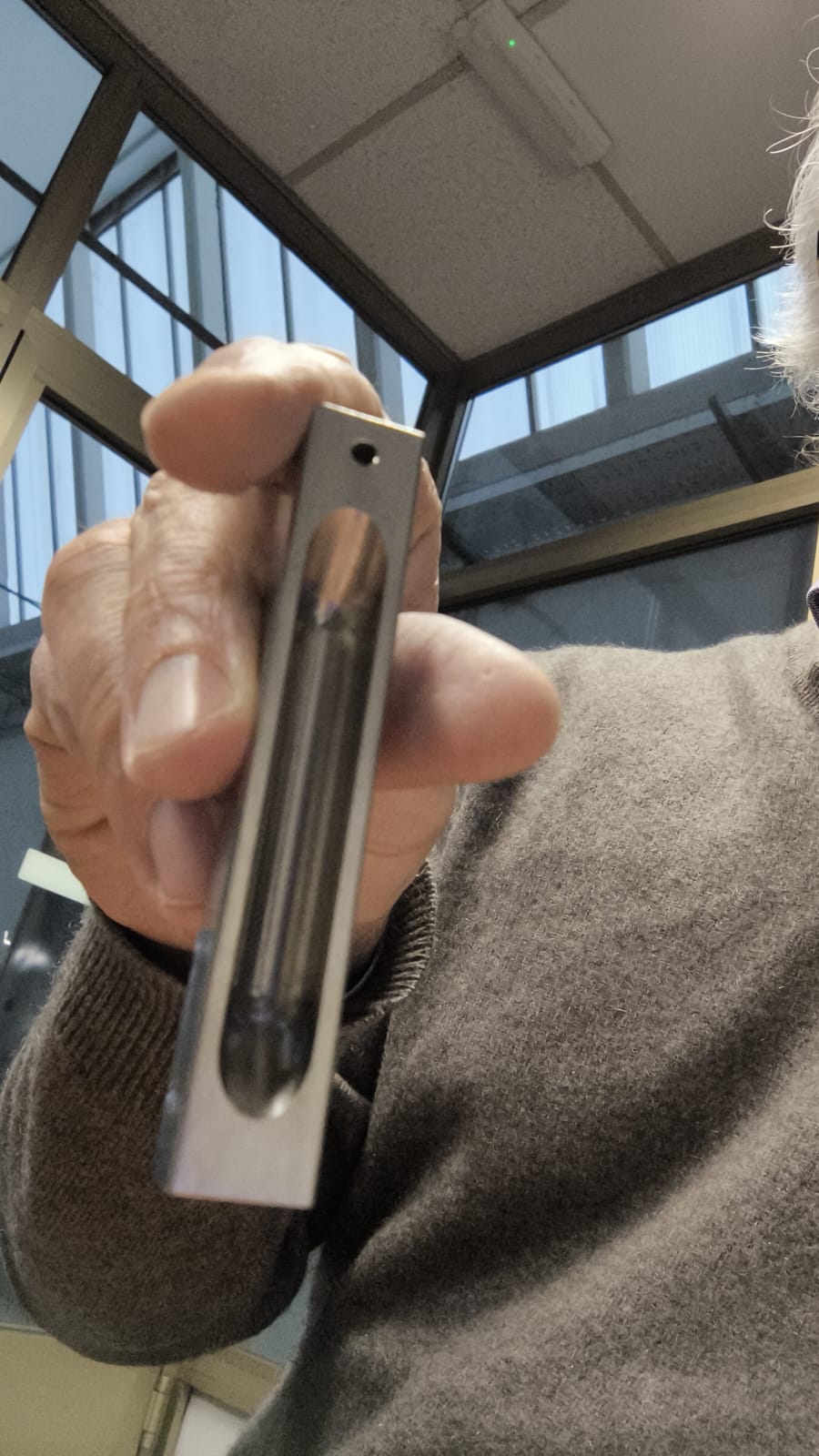
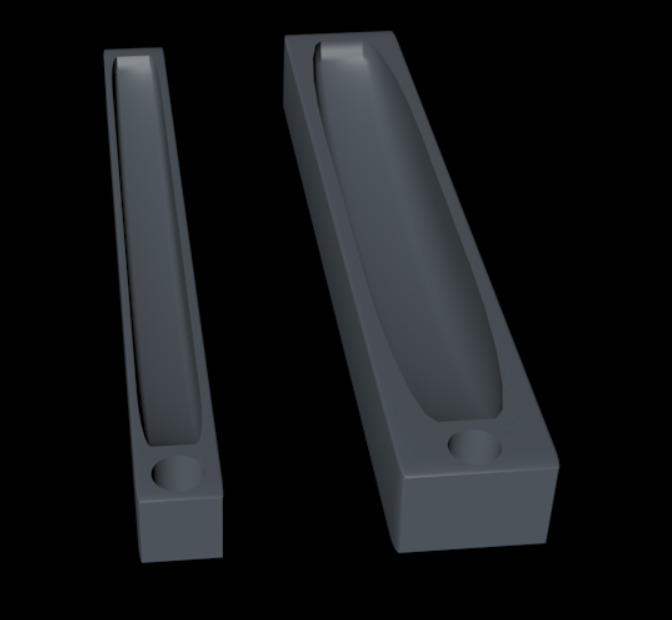
Milan 10 February 2025 – Keydro, based on specifications defined with the University of Pavia, has designed and produced special shuttles to contain carbon-based materials during the activation process. This process is the one that leads to the stage necessary to increase their porosity and introduce micropores, making them usable for the absorption of gases and emerging pollutants. The treatment is usually conducted with KOH and the alumina shuttles used so far reacted with the base, contaminating the sample in increasing amounts as the shuttle’s lifetime increased.
Professor Chiara Milanese, Head of the Hydrogen Laboratory at the Department of Chemistry of the University of Pavia, stated ‘The Keydro’s special vessels have solved a major problem for us, in fact, they do not react with C-based materials and with KOH up to temperatures above 650°C in N2 flow, and allow us to obtain ultra-pure super-activated C with gravimetric hydrogen storage capacities 1. 5 times higher than materials prepared in alumina (and thus containing Al) and with kinetics even 2 times better at -196°C and hydrogen pressures up to 10 bar’.

Keydro signed a strategic collaboration whit CNR to realise an innovative hydrogen tank
Keydro signed a strategic collaboration whit CNR to realise an innovative hydrogen tank
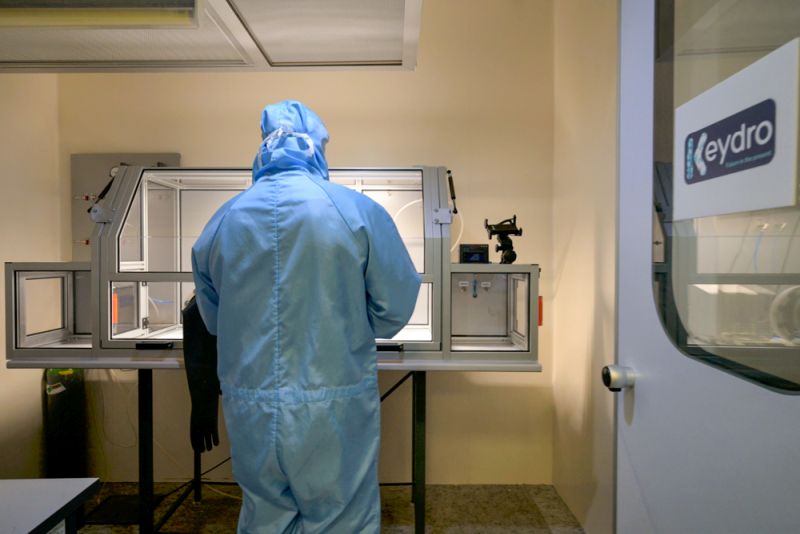
Milan, 10 November 2024 – Keydro has concluded a strategic partnership with the Institute for Microelectronics and Microsystems (IMM-CNR) of the Italian National Research Council (CNR) to realise the Proof of Concept (PoC) of a tank designed to contain hydrogen at room temperature and low pressure.
The defined activity envisages the creation of a special laboratory with dedicated machinery and instrumentation, and mainly three macro-areas of collaboration between IMM-CNR and Keydro:
1. characterisation of filters with nanometric materials,
2. realisation of the accumulation system,
3. release system.
Jacopo Sagramoso, CEO of Keydro stated: “the objective defined with the Institute for Microelectronics and Microsystems of the CNR is ambitious and extremely challenging, dealing with complex and frontier subjects. We are aware of the challenge we have undertaken and are convinced that we have created a team with excellent skills that will carry out the work defined.”
Sagramoso added, ’we came to define the project after a careful feasibility and patent prior art study. In IMM-CNR, we have found a partner capable of guaranteeing us an innovative and fertile environment capable of incorporating and improving the proposed innovation. We also have the will to extend the collaboration into the subsequent development phases’.
Fabio Di Pietrantonio, Senior Researcher at IMM-CNR said: ‘The Italian National Research Council (CNR), has in its mission the promotion and development of scientific and technological research. In this context, the joint research contract signed with Keydro aimed at the optimisation of innovative materials for hydrogen storage, with the objective of improving the efficiency, safety and sustainability of emerging technologies in the energy sector.