
Keydro's technology presents a mitigated risk
Keydro's technology presents a mitigated risk
Innovative companies in the field of energy and material-related technologies, such as Keydro, face significant challenges in supply chain coordination and risk management compared to traditional industries. The main reasons why Keydro could successfully overcome these obstacles are as follows:
- Supply chain: Innovative companies typically rely on a network of emerging technologies that are not yet fully developed or standardised. Keydro is entering into the hydrogen market, which is globally consolidated and estimated at USD 170 billion in 2023 and is expected to grow at a compound annual growth rate (CAGR) of 9.3% from 2024 to 2030 [1]. By bringing security, efficiency and cost savings, Keydro’s technology complements an existing and established industry.
- Coordination with Unscaled Technologies: In the early stages of development, many new energy solutions depend on other technologies. This interdependence can create bottlenecks and delays. For the same reason mentioned above, Keydro’s technology, in part, does not require coordination with unscaled technologies.
- Reduction of power costs for hydrogen storage: Keydro’s solution has lower energy requirements. Typically, the core of green tech has high energy requirements.
- Efficient solution: The focus of Keydro project is the proposal of a much more efficient solution for storing hydrogen. Reducing the risk of switching to our more efficient solution requires strong partnerships and supply chain integration.
- Scalability: Keydro is studying a tech easy to industrialize a scale and is also studying a way to accelerate its innovation.
- Dependence on external raw materials: Keydro’s proposed technology allows a specific geographic area to utilise the resources available in that area to create the new materials. Keydro’s tech pemit to mitigate volatile cost of materials.
In summary, we’re well aware of the need for risk mitigation, cost reduction and the need to have accelerate innovation.
[1] Link to data – Hydrogen market is driven largely by the fertilizer and refining industries

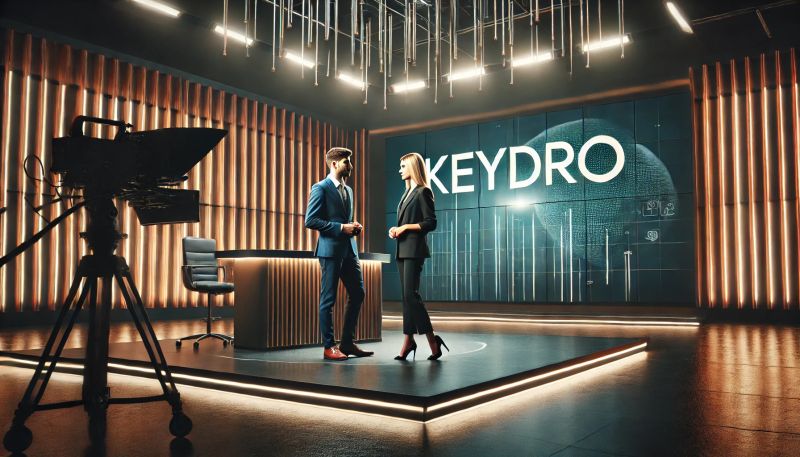
Interview generated by an AI on the basis of texts from the website Keydro.it
As a test, we "fed" the artificial intelligence with all the texts on our website www.keydro.it.
The aim was to check the congruence of what we had written. The A.I. gave us both a summary and an amusing pseudo-interview that not only confirmed the congruence of the texts, but also enthusiastically explained the purpose of our activity and, while remaining in the virtual sphere of the A.I., we thought it would be a very amusing and at the same time educational result to share with you.
Click here to listen to the interview
Collaboration with the Chemistry Department of the University of Pavia is strengthened
Collaboration with the Chemistry Department of the University of Pavia is strengthened
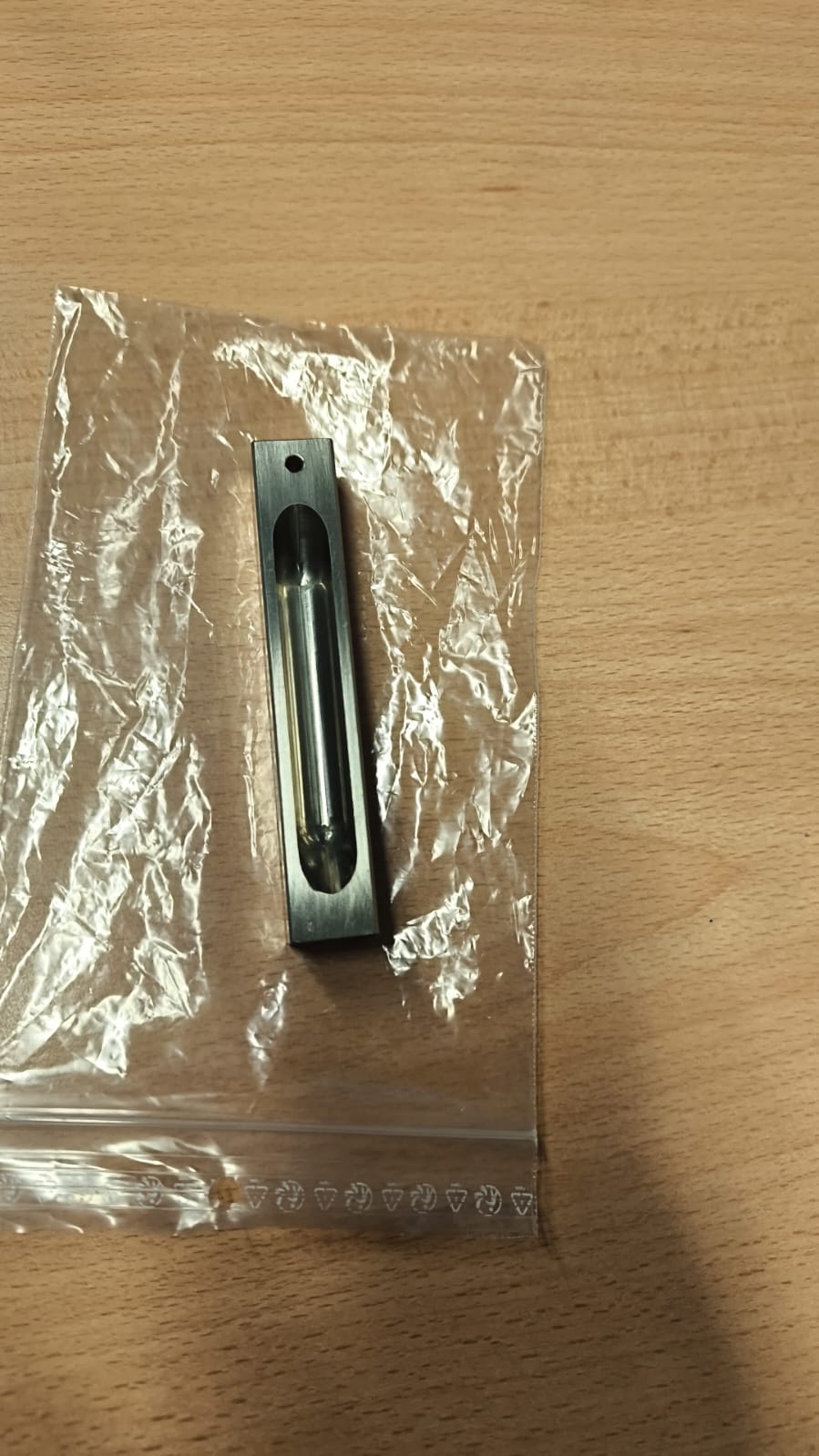
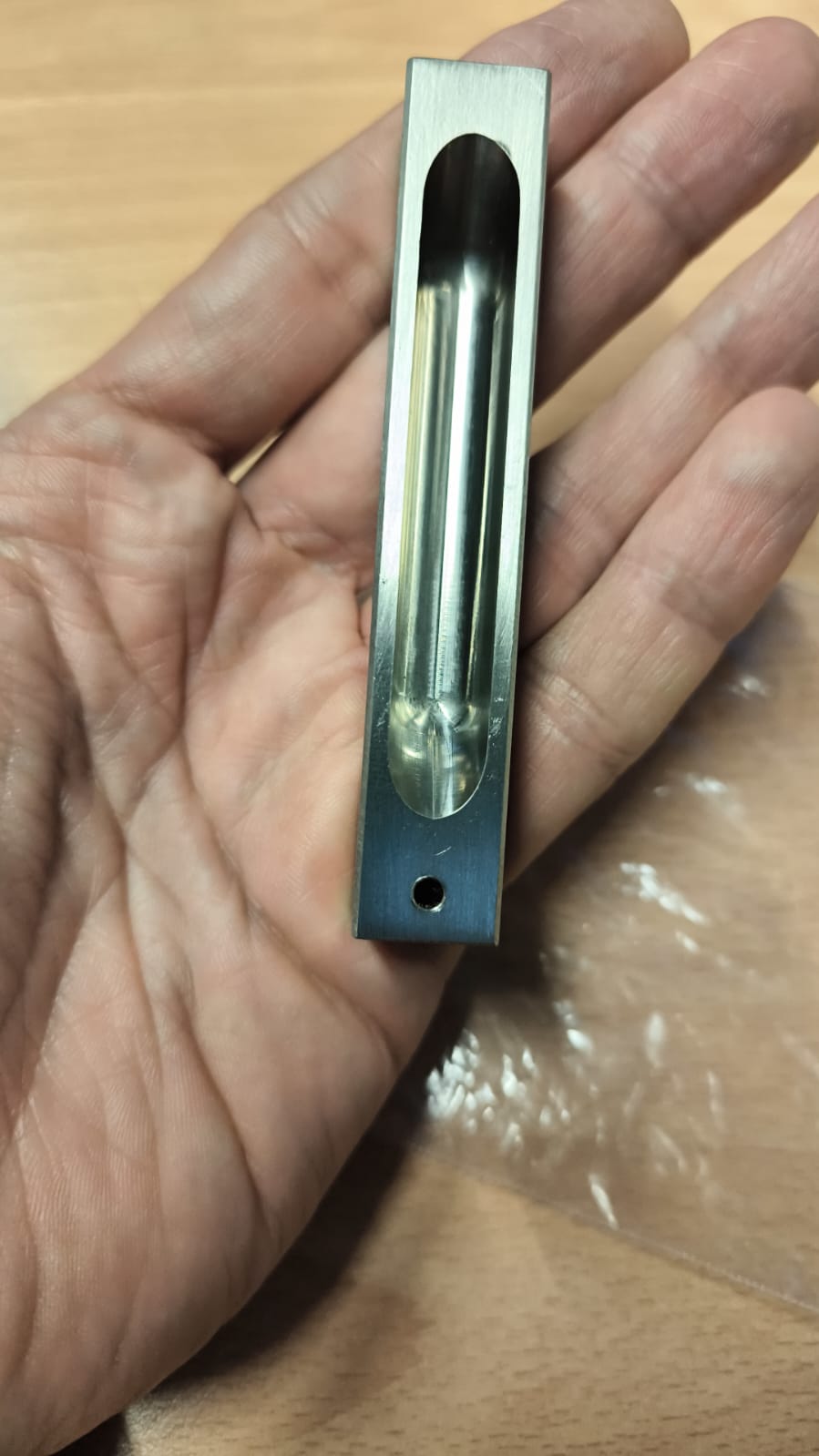
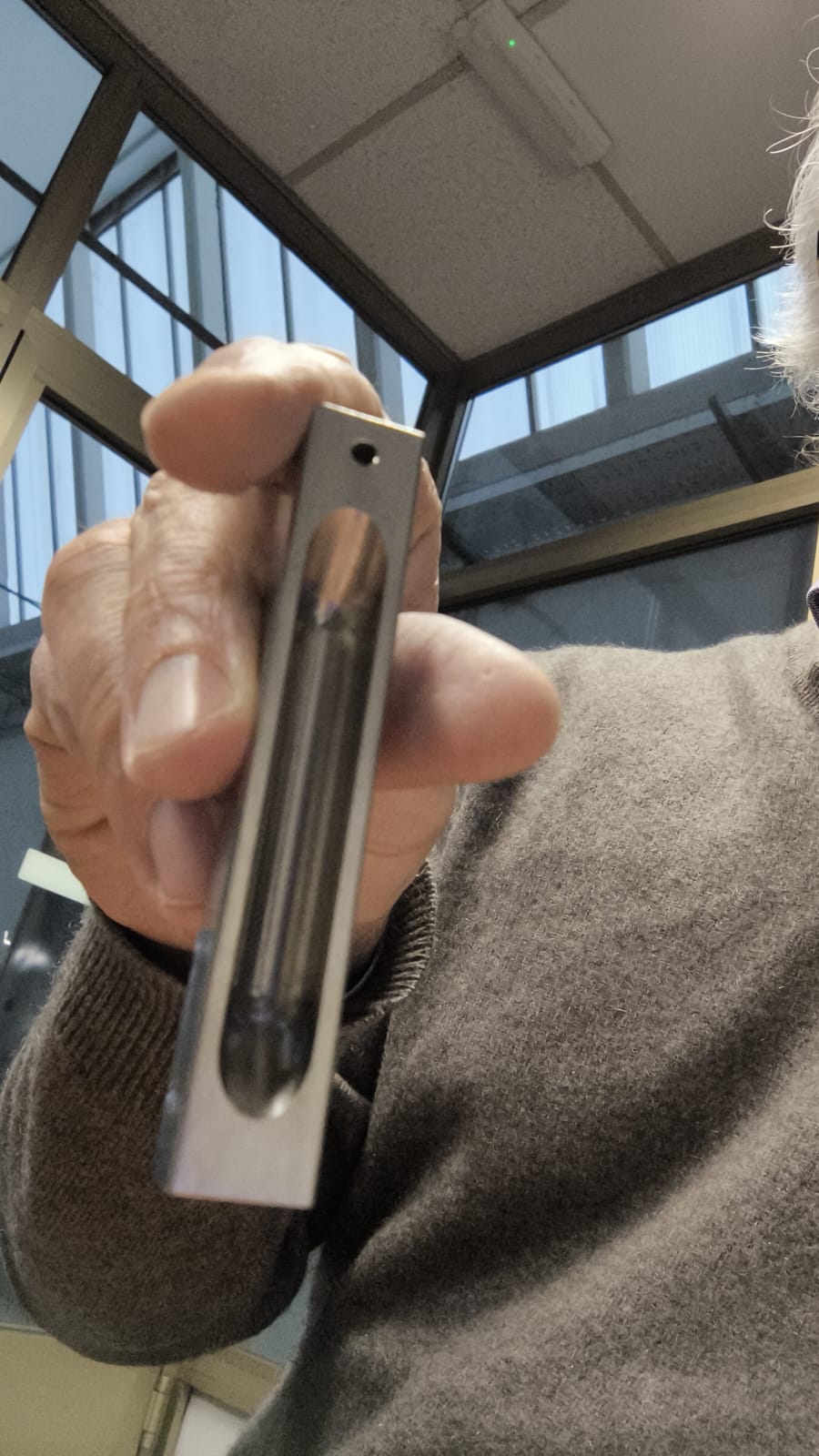
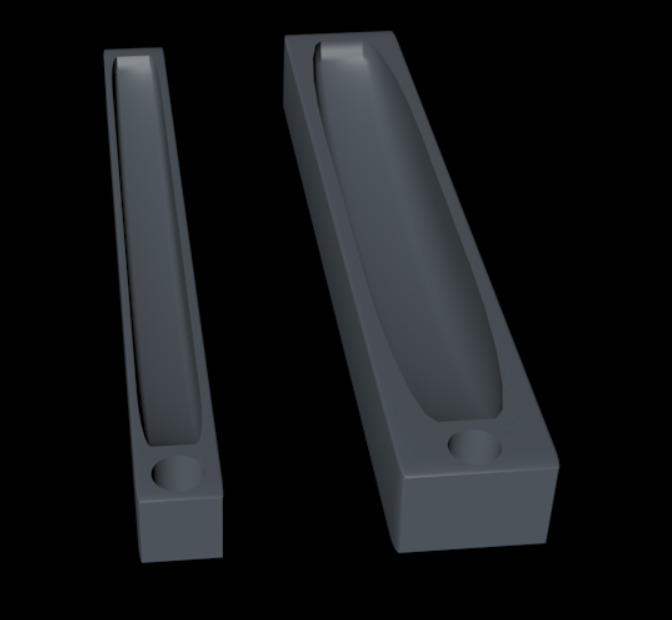
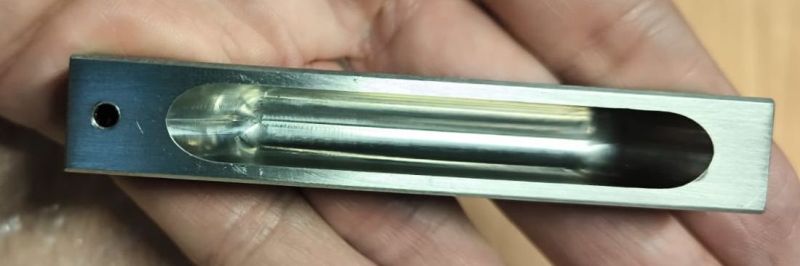
Milan 10 February 2025 – Keydro, based on specifications defined with the University of Pavia, has designed and produced special shuttles to contain carbon-based materials during the activation process. This process is the one that leads to the stage necessary to increase their porosity and introduce micropores, making them usable for the absorption of gases and emerging pollutants. The treatment is usually conducted with KOH and the alumina shuttles used so far reacted with the base, contaminating the sample in increasing amounts as the shuttle’s lifetime increased.
Professor Chiara Milanese, Head of the Hydrogen Laboratory at the Department of Chemistry of the University of Pavia, stated ‘The Keydro’s special vessels have solved a major problem for us, in fact, they do not react with C-based materials and with KOH up to temperatures above 650°C in N2 flow, and allow us to obtain ultra-pure super-activated C with gravimetric hydrogen storage capacities 1. 5 times higher than materials prepared in alumina (and thus containing Al) and with kinetics even 2 times better at -196°C and hydrogen pressures up to 10 bar’.